More Than a Manager – A Builder of Football Cultures
Lucescu wasn’t just about trophies (though he had plenty).
He was about creating systems, identities, and generations of players.
🧩 His Core Legacy:
• Transformed FC Shakhtar Donetsk into a European force
• Developed and trusted young talent, especially from Brazil
• Blended technical football with tactical discipline
➡️ He didn’t just coach teams he built ecosystems
⸻
🏆 The Peak Years – Shakhtar Dominance
At Shakhtar, Lucescu created something unique:
• Consistent domestic dominance
• European competitiveness
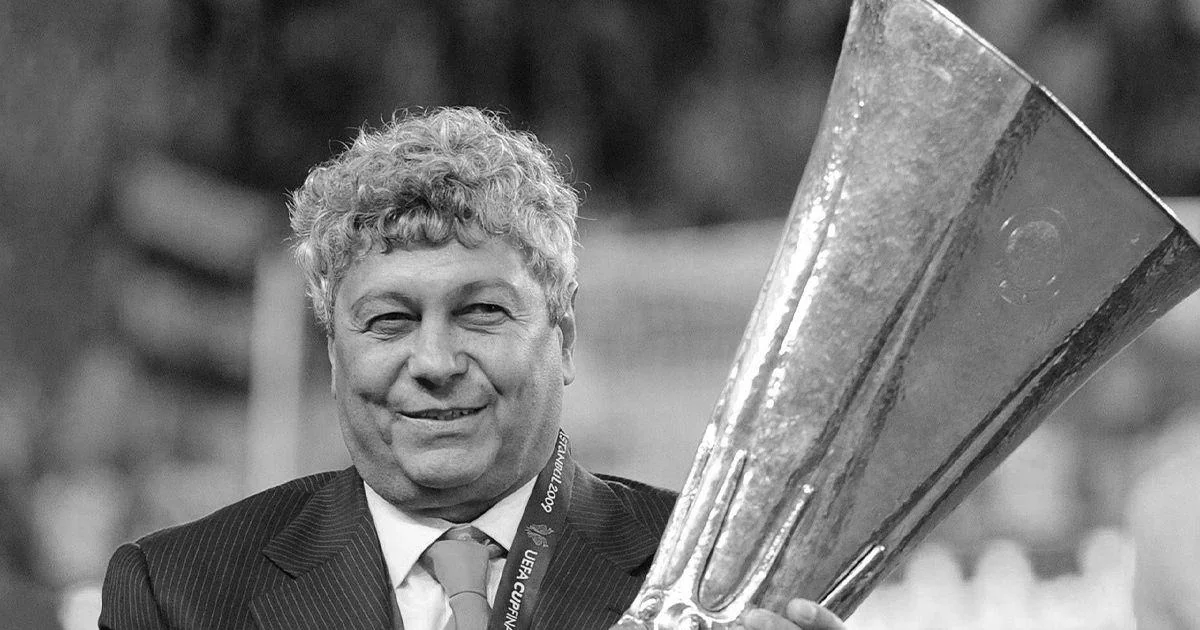
• Won the UEFA Europa League (2009)
But more importantly:
He made Shakhtar relevant in Europe not just participants, but contenders.
⸻
⚔️ Tactical Identity – Controlled Expression
Lucescu’s teams were:
• Technically gifted
• Structured in possession
• Dangerous in transitions
He had a rare balance:
• Allowed flair players freedom
• Maintained tactical discipline
➡️ That balance is what made his teams unpredictable and effective.
⸻
🌍 A Truly Global Coaching Journey
Lucescu’s career spanned multiple football cultures:
• Turkey (Galatasaray, Beşiktaş)
• Ukraine (Shakhtar, Dynamo Kyiv)
• Romania national team
➡️ Few managers adapt across leagues like that—and succeed.
⸻
🧠 The Timing – Days After Resigning
This part adds emotional weight.
• He had just stepped away from management
• Likely closing a long chapter of his life
• And then… this
It creates a sense of:
A life fully dedicated to football, right up to the very end
⸻
📊 Why He Matters in Football History
Lucescu may not always be placed alongside the flashiest elite managers, but analytically:
• He maximized resources
• Built long-term success
• Developed players who thrived at higher levels
➡️ That’s a different kind of greatness sustainable excellence
⸻
🧩 Final Take
Mircea Lucescu represents something modern football is slowly losing:
The long-term builder. The cultural architect. The patient winner.