For much of the 2026 FIFA World Cup, France looked like the team everyone else would have to beat.
Didier Deschamps’ side swept through the group stage, brushed aside Sweden and Paraguay, and arrived in the semi-finals boasting arguably the tournament’s most feared attack. Kylian Mbappe was leading the Golden Boot race, Ousmane Dembele was producing moments of brilliance, and Les Bleus appeared destined for a third consecutive World Cup final.
Then came Spain in a tactical masterclass that stunned football fans across the globe. Spain dismantled France 2-0 to book their place in the final. The defeat did more than eliminate one of the tournament favourites; it completely reshaped the race for football’s biggest prize.
Now, with only two teams left standing, one question dominates world football:
Who will become world champions?
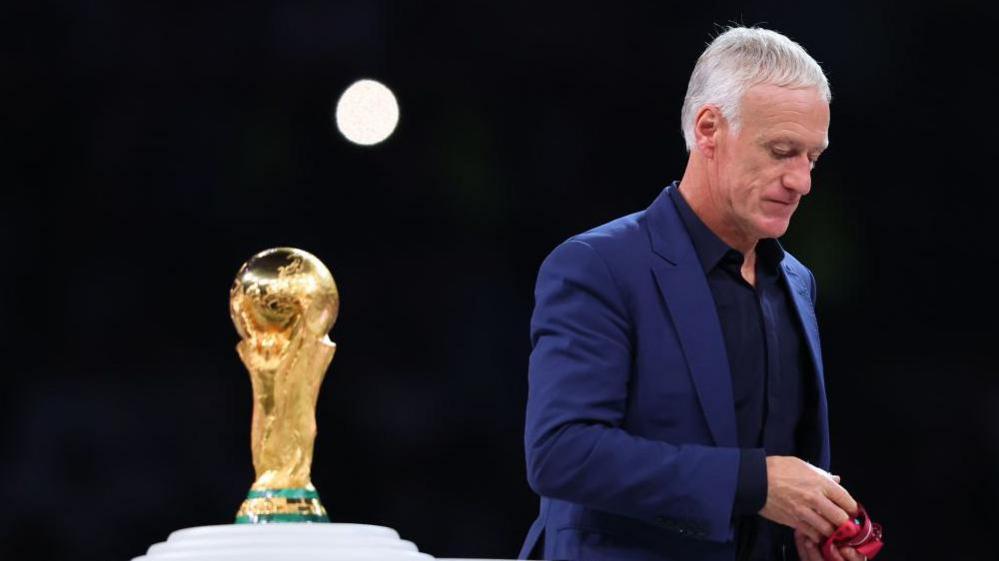
France’s Collapse Changes Everything
France entered the semi-final carrying enormous expectations.
Their squad combined experience with elite talent, boasting world-class performers in almost every position. Mbappe looked unstoppable, Michael Olise was flourishing, while their defence had barely looked vulnerable throughout the competition.
Yet against Spain, almost everything unraveled.
The French midfield struggled to control possession, Mbappe was isolated for long spells, and the usually clinical attack rarely threatened Spain’s disciplined backline.
For perhaps the first time during the tournament, France looked ordinary.
The defeat also raises fresh questions about a team that had become accustomed to reaching the latter stages of major tournaments.
After winning the World Cup in 2018, finishing runners-up in 2022, and now falling at the semi-final hurdle, France remain one of football’s dominant powers but not its champions.
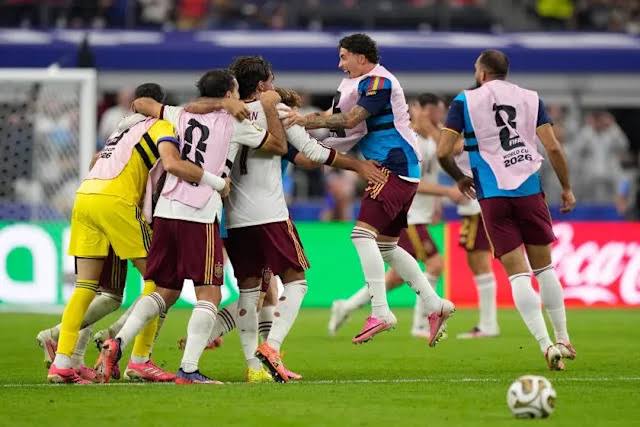
Spain Have Arrived at Exactly the Right Time
Spain’s journey has been remarkably different.
While France generated headlines throughout the tournament, Spain quietly built momentum.
Luis de la Fuente’s side improved with every match, relying less on individual brilliance and more on collective organisation, intelligent pressing, technical superiority, and defensive discipline.
Their victory over France perfectly demonstrated those qualities.
Instead of engaging in an open contest, Spain controlled possession, dictated the tempo, and frustrated one of the world’s most dangerous attacking teams before striking with ruthless efficiency.
Perhaps even more impressive has been their defensive record.
Spain have now kept six clean sheets in seven matches, proving they possess the balance that often separates champions from contenders.
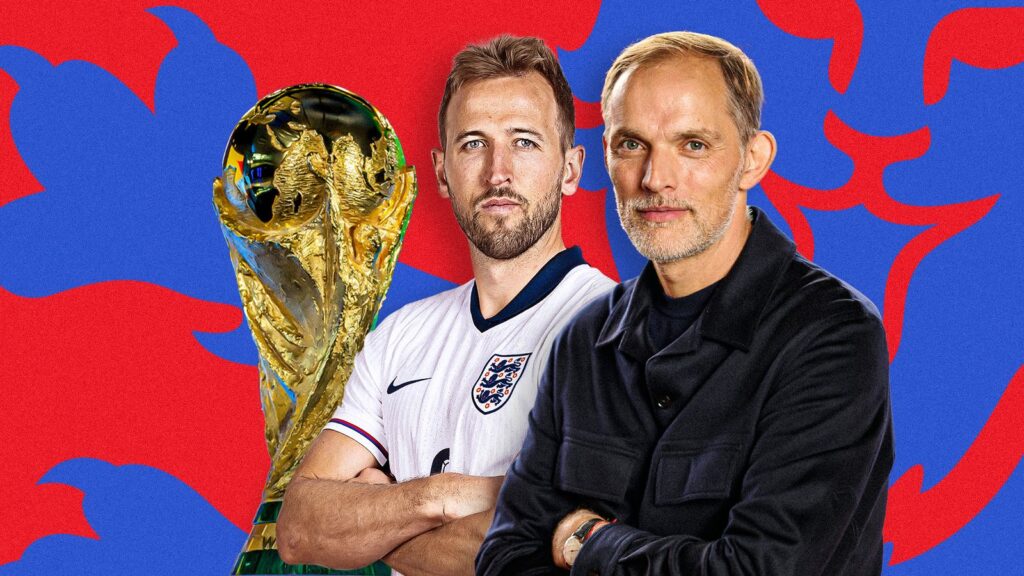
England’s Greatest Opportunity?
England now find themselves on the opposite side of the bracket with a chance to reach only their second World Cup final since lifting the trophy in 1966.
Thomas Tuchel’s side have not always convinced with their performances.
They have survived difficult matches against DR Congo, Mexico and Norway, relying heavily on resilience, mentality and moments of brilliance from Jude Bellingham and Harry Kane.
Critics argue England have yet to produce their complete performance.
Supporters, however, see something different.
Championship-winning teams are often judged not by how beautifully they play, but by their ability to win when everything seems to go wrong.
England have repeatedly done exactly that.
If they overcome Argentina, belief will reach levels not seen in decades.

Argentina Still Have Messi
As long as Lionel Messi remains in the tournament, Argentina cannot be ignored.
The reigning world champions have once again demonstrated why tournament football often suits experienced sides.
Messi may no longer dominate matches physically as he once did, but his intelligence, vision and leadership continue to transform games.
Argentina have already survived one dramatic escape against Egypt, showing the resilience expected from defending champions.
If Messi reaches another World Cup final, football history may yet deliver one final chapter to an extraordinary international career.
The Final Prediction
With France eliminated, the tournament no longer has an overwhelming favourite.
Instead, it has four genuine contenders with contrasting strengths.
Spain possess the tournament’s most complete tactical structure.
England arguably have the strongest mentality and biggest physical presence.
Argentina have unmatched experience and the enduring brilliance of Lionel Messi.
Each has a realistic pathway to glory.
Yet, based on recent performances, Spain appear to hold a slight advantage.
They have improved consistently, defended superbly, and controlled elite opponents without losing their identity.
More importantly, they seem to be peaking precisely when champions usually do.
World Cups are rarely won by the team that starts fastest.
They are usually won by the team that finishes strongest.
After dismantling France in the semi-final, Spain have sent the clearest message yet that they intend to lift football’s greatest prize.
But with England chasing history and Argentina refusing to surrender their crown, the 2026 FIFA World Cup still promises one final twist before a new champion or a familiar one is crowned.