Old Trafford delivers a classic with a tactical twist
Manchester United edged Liverpool FC 3–2 in a high-intensity encounter at Old Trafford, securing a second victory over their rivals this season.
The result was not just dramatic it was revealing. A clash between structured control and calculated chaos, ultimately decided by moments rather than methodology.
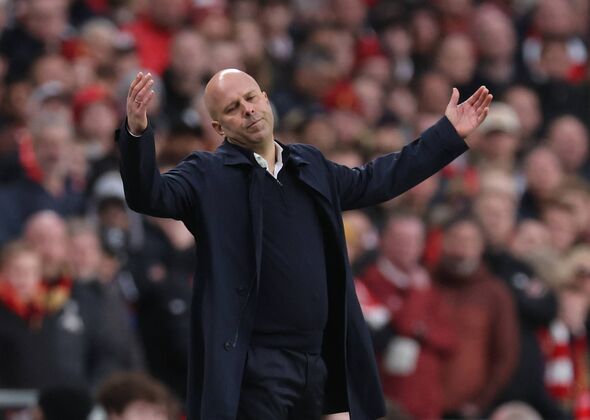
Slot’s blueprint: control the centre, dictate the rhythm
Under Arne Slot, Liverpool approached the match with a clear tactical framework:
- A box midfield in possession, with an inverted fullback joining the double pivot
- Narrow attacking rotations to overload central spaces
- A high defensive line supported by aggressive pressing triggers
For significant periods, the system functioned as intended. Liverpool controlled possession, compressed space, and limited United’s ability to build through midfield.
But the structure demanded precision and the game refused to remain orderly.
United’s response: direct, vertical and decisive
Manchester United adopted a contrasting approach.
Rather than attempting to dominate possession, they focused on:
- Rapid vertical transitions
- Direct passes into wide and central channels
- Midfield runners exploiting space behind the defensive line
Liverpool’s high line created opportunities, and United capitalised. Each turnover became a launching point, turning defence into attack within seconds.
It was not expansive football but it was effective.
Key turning points: where the game shifted
The high line dilemma
At 2–2, Liverpool maintained their defensive positioning, continuing to push high despite increasing pressure.
The decision proved costly. With space repeatedly exposed behind the back line, United found the openings needed to deliver the decisive blow.
Midfield intensity drops
Liverpool’s midfield began strongly but showed signs of fatigue late in the match.
Pressing intensity declined, distances between units widened, and the compact structure that had controlled earlier phases began to break down. Without timely adjustments, control gave way to vulnerability.
Substitutions: missed opportunities on both sides
Liverpool
- Delayed attacking changes reduced pressing effectiveness
- Structural balance was disrupted following substitutions
- Cohesion in the press weakened at a critical stage
Manchester United
- Defensive substitutions invited sustained pressure
- Midfield control became less stable
- The game opened up further, increasing overall risk
While both sides made questionable adjustments, Liverpool’s structural drop-off proved more decisive.
The decisive moment: chaos over control
With the game level, Liverpool sought to reassert control.
United chose a different path embracing the disorder.
The winning goal came not from sustained build-up, but from:
- A turnover in midfield
- Immediate exploitation of space
- Clinical finishing under pressure
It was a moment that defined the match: simplicity, speed, and execution.
Final analysis
- Slot’s tactical approach was progressive and effective in phases, but lacked in-game flexibility
- Manchester United’s strategy prioritised impact over control, and delivered when it mattered
- Substitutions influenced momentum, with Liverpool ultimately losing structural balance
Conclusion
This was not a game decided purely by systems or possession.
It was decided by interpretation of the moment.
Liverpool controlled phases.
Manchester United controlled outcomes.
And in elite football, that distinction often proves decisive.
Banter corner
Liverpool: “We dominated possession.”
United: “We took the points.”
Slot: “We controlled the game.”
Old Trafford: “Not the result.”