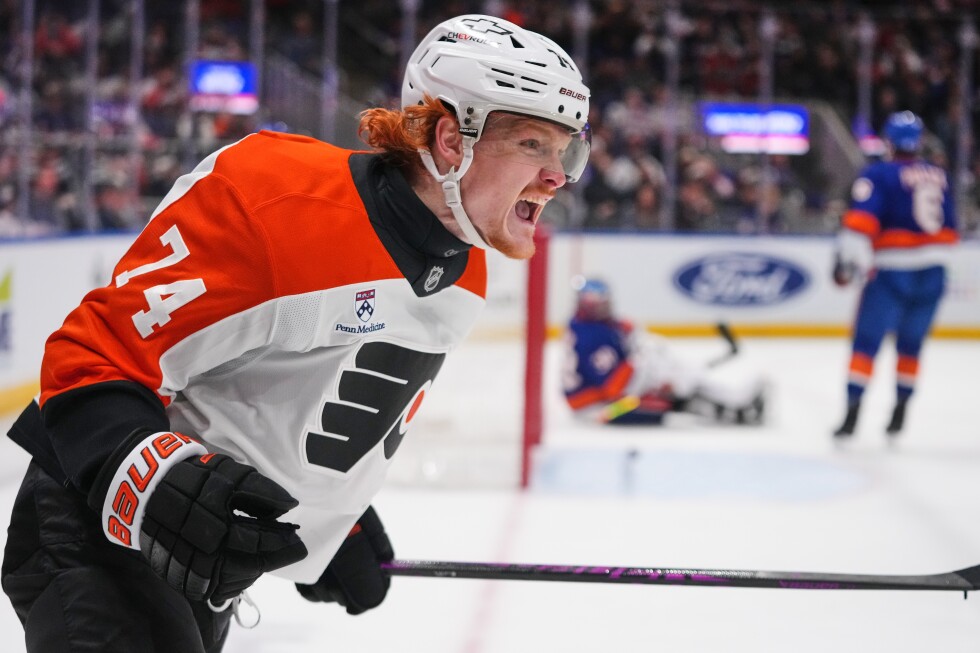
The race to the 2026 Stanley Cup Playoffs is reaching a dramatic climax, with the postseason set to begin on April 18 and teams battling to secure positioning in what is shaping up to be one of the most unpredictable campaigns in recent years.
Avalanche Lead the Charge, Penguins End Drought
The Colorado Avalanche are emerging as one of the league’s form sides, pushing to secure the Presidents’ Trophy awarded to the NHL’s top regular-season team. Spearheading their surge is star forward Nathan MacKinnon, whose scoring exploits have kept Colorado firmly among the favorites.
Elsewhere, the Pittsburgh Penguins have returned to the playoffs after a three-year absence, adding another compelling storyline ahead of the postseason.
With last season’s champions failing to qualify, the current playoff picture has a distinctly “wide open” feel, with no clear dominant force heading into the title race.
Youth Movement and High-Speed Offense Defining the Season
A noticeable trend across the league has been the emergence of young talent and a shift toward faster, more dynamic attacking play. Nineteen-year-old Ilya Protas made an immediate impact on debut for the Washington Capitals, underlining the growing influence of youth in the NHL.
Teams are increasingly blending speed with offensive creativity, a style that could prove decisive in the high-intensity environment of playoff hockey.
Injury Concerns Cast Shadow Over Contenders
Injuries remain a key concern as the postseason approaches, with the Edmonton Oilers closely monitoring the fitness of star forward Leon Draisaitl.
His potential absence could significantly alter the playoff landscape, highlighting how fine the margins are between contention and collapse at this stage of the season.
College Hockey Feeds the Future
Beyond the NHL, attention has also turned to the Frozen Four, where traditional rivalries such as Wisconsin Badgers versus North Dakota Fighting Hawks are back in focus.
The tournament continues to serve as a vital pipeline for NHL talent, producing players who arrive in the professional ranks with strong tactical awareness and competitive readiness.
Lifestyle Shift: Smarter Fitness and Athlete Influence Redefine Sports Culture
Away from the ice, broader lifestyle trends are reshaping how athletes and fans engage with sport in 2026.
Data-Driven Wellness Takes Center Stage
The fitness industry is moving toward smarter, more efficient training methods, with increased reliance on wearable technology, recovery tools, and performance data. Athletes and fans alike are prioritizing sleep, stress management, and overall well-being alongside physical conditioning.
Athleisure Evolves Into Everyday Fashion
Athleisure continues to dominate global fashion, with a shift toward oversized fits, retro-inspired designs, and high-end collaborations. The modern consumer increasingly demands clothing that transitions seamlessly from workouts to daily activities.
Rise of Experience-Driven Fitness
Wellness tourism is booming, with sports enthusiasts investing in fitness retreats, recovery-focused travel, and live sporting experiences. The trend reflects a broader shift from material consumption to experience-based lifestyles.
Athletes as Influencers and Entrepreneurs
Modern athletes are expanding beyond competition into business and branding. Figures like Tyrese Haliburton are influencing fashion and culture, while others, including Haley Cavinder and Hanna Cavinder, are building business ventures spanning fitness, fashion, and digital platforms.
Final Outlook
- The Stanley Cup Playoffs promise a highly competitive and unpredictable postseason
- Emerging talent and evolving playing styles are reshaping the NHL landscape
- Off the field, sport continues to merge with lifestyle, technology, and business
Bottom line:
As the NHL playoff race reaches its peak, the action on the ice is matched by a broader transformation in sports culture where performance, personality, and lifestyle are increasingly intertwined.