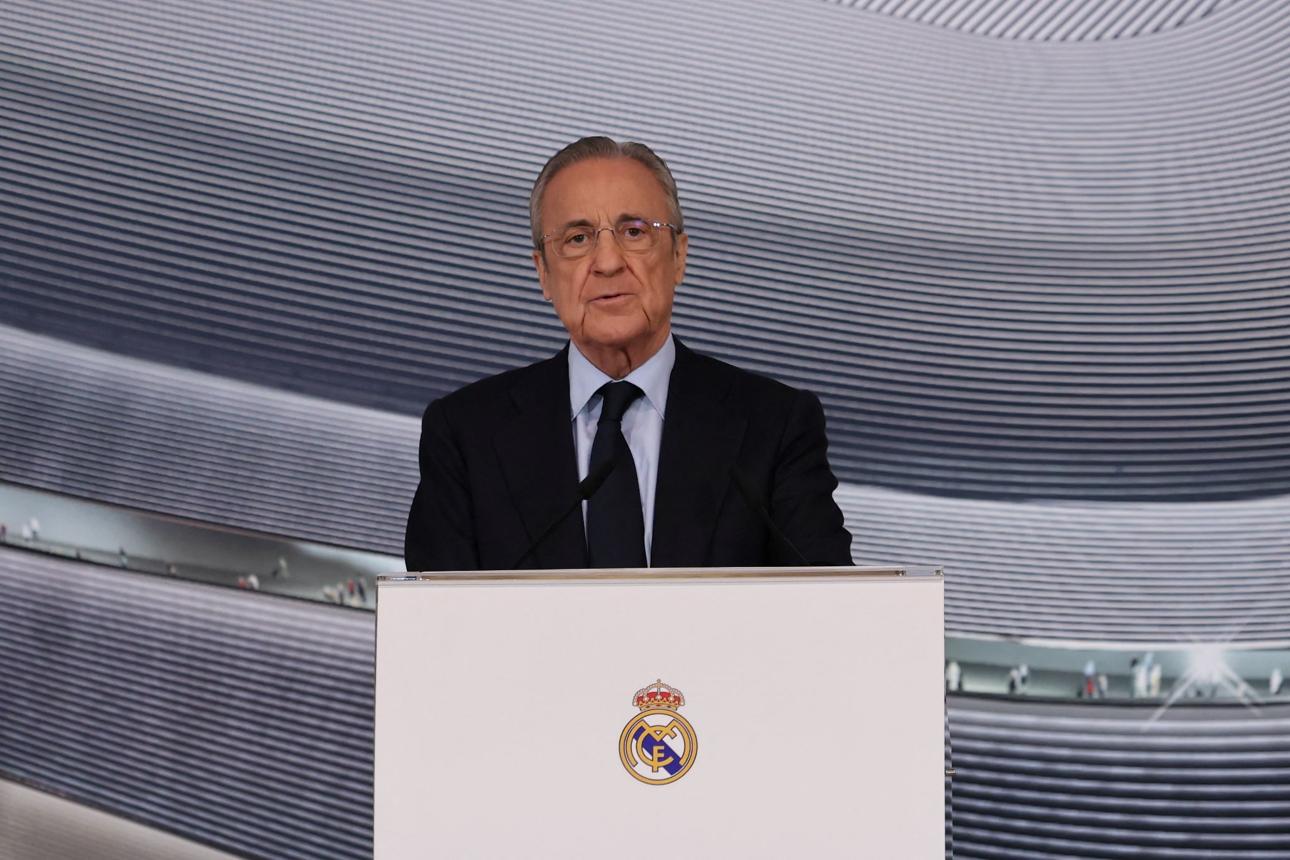
The growing tension surrounding Florentino Pérez has evolved far beyond ordinary football criticism, with the situation at Real Madrid CF increasingly resembling a full-scale institutional power battle.
After weeks of speculation suggesting Pérez could step down following a disappointing season for Madrid, the club president responded forcefully during a heated press conference in which he denied resignation rumours, announced upcoming elections and accused sections of the media and internal figures of attempting to destabilize his leadership.
Rather than focusing solely on performances on the pitch, Pérez framed the current turmoil as an organized campaign against his authority a sign that the conflict now stretches deep into the political structure of the club itself.
Madrid’s Real Battle Is No Longer Just Football
For years, Pérez has operated as one of the most powerful figures in global football.
Under his leadership, Madrid became synonymous not only with trophies, but with institutional influence:
- the Galácticos era,
- the redevelopment of the Santiago Bernabéu,
- the push for the European Super League,
- and Madrid’s transformation into a global commercial powerhouse.
But at elite clubs, poor sporting results often trigger deeper political tensions.
Once performances decline, pressure quickly spreads into:
- boardroom alliances,
- media narratives,
- dressing-room leaks,
- succession discussions,
- and challenges to executive authority.
That is the atmosphere currently surrounding the Bernabéu.
Pérez’s emotional declaration during his press conference insisting critics would “have to shoot me” to remove him reflected a leader attempting to publicly reassert control over an institution he believes is under internal threat.
The Politics of Modern Football Power
Modern football presidents no longer function purely as sporting administrators.
At clubs like Madrid, they oversee:
- billion-dollar commercial systems,
- international sponsorship structures,
- political relationships inside UEFA,
- transfer networks,
- and media influence across global football.
Pérez’s influence has extended well beyond Spain for years, particularly through his role as one of the strongest advocates of the European Super League project an initiative that challenged UEFA’s traditional control of European football.
Even after the project faced major backlash, many observers believe Pérez helped shift long-term conversations about power and financial control within elite football.
That wider context explains why the current conflict feels so significant.
This is not simply a debate over results or transfers.
It is a struggle over who controls one of football’s most powerful institutions.
Media Pressure Becoming a Major Factor
One of the most revealing elements of Pérez’s recent comments was his repeated focus on journalists and internal leaks.
In football politics, sustained media pressure often signals deeper fractures behind the scenes.
Stories involving:
- dressing-room unrest,
- succession planning,
- internal disagreements,
- or leadership uncertainty
usually indicate shifting alliances within the club structure.
Pérez openly accused journalists of attempting to undermine him, suggesting he believes influential figures inside the institution may already be positioning themselves for a future beyond his presidency.
Historically, when football executives begin publicly fighting the media narrative, it often reflects concern that institutional control is beginning to weaken.
Elections Could Define Madrid’s Future Direction
Perhaps the most strategic move from Pérez was his decision to call elections himself.
By controlling the timing, he effectively forces any opposition figures into the open while attempting to reaffirm his authority among Madrid’s socios and business allies.
At Real Madrid, presidential elections are enormous political events requiring:
- major financial guarantees,
- influential support networks,
- business credibility,
- media relationships,
- and strong institutional backing.
This is why the situation increasingly resembles corporate and political warfare as much as football administration.
Reports in Spain already suggest powerful business figures are monitoring developments closely as uncertainty around Madrid’s future leadership grows.
The Irony Surrounding Pérez’s Legacy
There is also a deeper irony at the heart of the current situation.
Many supporters still regard Florentino Pérez as the most influential club president of the modern football era.
Yet the same centralized power structure that brought Madrid enormous success can also become dangerous once results decline.
At institutions built around dominance and authority, vulnerability changes everything.
Every transfer decision becomes political.
Every media leak becomes suspicious.
Every defeat intensifies pressure.
And at clubs like Real Madrid, challenges to power rarely emerge until influential figures believe the balance may finally be shifting.