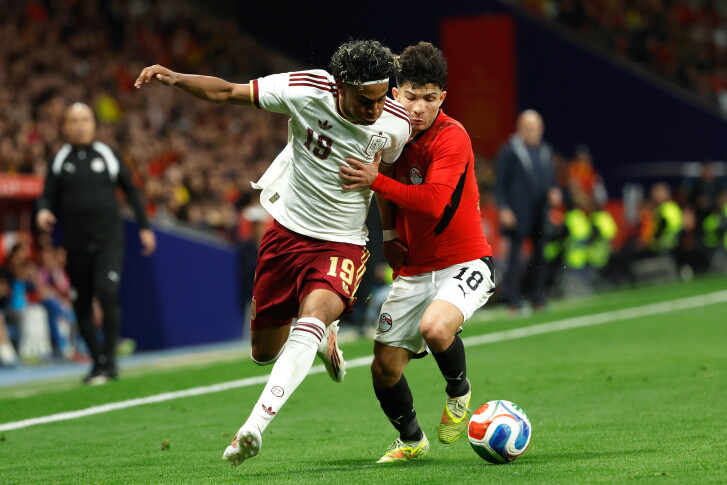
FIFA has fined the Spanish Football Federation (RFEF) $20,000 and ordered a partial stadium closure after Spain supporters reportedly directed Islamophobic chants at Muslims during an international friendly against Egypt.
The sanctions follow Spain’s goalless draw against Egypt at the RCDE Stadium in Barcelona on March 31, 2026, where discriminatory chants were reportedly heard twice during the encounter.
Under FIFA’s disciplinary ruling, Spain must close at least 15 per cent of the available stadium seats behind the goals during its next home international friendly.
However, the restrictions could also provide an opportunity to promote anti-discrimination initiatives. FIFA has indicated that the affected sections may be allocated to groups such as families, students and anti-discrimination organisations, subject to its approval.
The punishment represents a financial and sporting consequence for the Spanish federation, which is responsible for addressing discriminatory conduct associated with its supporters.
Lamine Yamal condemns chants
Barcelona winger Lamine Yamal, who is Muslim, publicly condemned the chants following the match, describing the behaviour as disrespectful and intolerable.
The incident attracted attention because it occurred during an international fixture involving two national teams, prompting renewed discussion about discrimination and religious intolerance in football stadiums.
Yamal’s response also brought attention to the impact such incidents can have on players and supporters, particularly those who feel targeted because of their religious beliefs.
FIFA reinforces its anti-discrimination stance
FIFA’s decision sends a message that discriminatory behaviour at international matches can result in sanctions against national football associations.
The combination of a financial penalty and a partial stadium closure is intended to hold the federation accountable while placing greater responsibility on football authorities to prevent similar incidents.
The provision allowing approved groups to occupy the restricted sections also offers a way to use the measure to support inclusion and anti-discrimination awareness.
For the RFEF, attention will now turn to implementing the sanctions and ensuring that appropriate measures are taken ahead of Spain’s next home international friendly.
The case adds to the wider challenge facing football authorities as they seek to combat racism, religious intolerance and other forms of discrimination within the sport.
Although football continues to promote inclusion and respect, incidents such as the reported chants during Spain’s match against Egypt underline the need for sustained action from governing bodies, federations, clubs and supporters.