
The UEFA Champions League knockout stage delivered high drama, tactical battles, and defining moments across Europe, with Liverpool FC left fighting for survival while Atlético Madrid executed a clinical game plan to seize control against FC Barcelona.
Liverpool Hanging by a Thread After PSG Setback
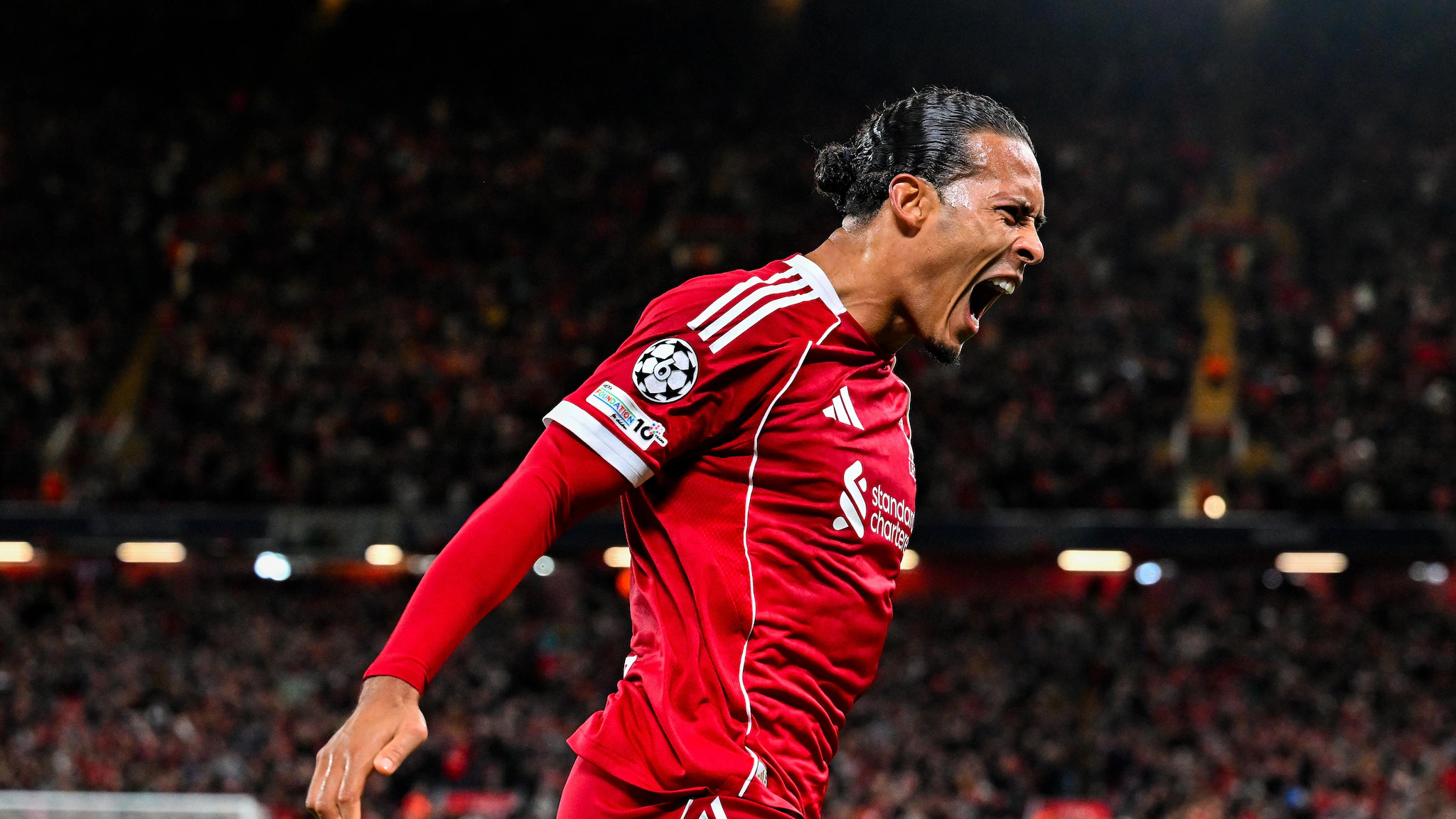
Liverpool’s Champions League hopes remain alive but only just after a damaging first-leg defeat to Paris Saint-Germain.
While the scoreline keeps the tie technically open, the reality is far more concerning. Liverpool have lost control of the contest, with PSG dictating tempo, exploiting transitions, and managing key moments more effectively.
Control and Composure Issues
The defeat exposed several underlying problems:
- Disrupted midfield build-up under pressure
- Defensive vulnerability against pace, particularly from Kylian Mbappé
- Lack of clinical finishing in the final third
Liverpool struggled to impose rhythm and appeared rushed in possession, a sign of game-state anxiety that often proves costly in knockout football.
Second Leg Now Season-Defining
Heading into the return leg, Liverpool must:
- Score early to shift momentum
- Maintain defensive discipline throughout
- Deliver a composed, high-intensity performance
PSG, meanwhile, hold both the tactical and psychological edge making Liverpool’s path to qualification increasingly narrow.
Atlético Madrid Punish Barcelona in Tactical Masterclass
In Spain, Atlético Madrid delivered a textbook knockout performance to defeat Barcelona in a game shaped by a crucial red card and elite game management.
Red Card Turns the Tie
Before the sending-off, Barcelona controlled possession and tempo. But once reduced to 10 men, their structure collapsed:
- Midfield gaps widened
- Defensive shape became stretched
- Energy levels dropped under pressure
This shift forced Barcelona into reactive football exactly the scenario Atlético thrive in.
Diego Simeone’s Winning Formula
Under Diego Simeone, Atlético once again demonstrated their knockout pedigree:
- Compact defensive shape limiting central spaces
- Rapid transitions exploiting defensive disorganization
- Emotional control to manage tempo and frustrate opponents
It was a disciplined, calculated performance that highlighted why Atlético remain one of Europe’s most dangerous tournament teams.
VAR Drama and Julián Álvarez Inspire Atlético
The match also featured controversy, with VAR decisions sparking visible frustration from Barcelona boss Hansi Flick.
However, beyond the officiating debate, one player stood out Julián Álvarez.
Álvarez Delivers in Key Moments
Álvarez proved decisive with:
- Intelligent movement between defensive lines
- Relentless pressing disrupting Barcelona’s build-up
- Clinical finishing in crucial moments
His performance embodied Atlético’s approach: efficiency over volume, precision over possession.
Barcelona Left to Regret Missed Opportunities
Despite the VAR controversy, Barcelona’s issues ran deeper:
- Emotional reactions affected concentration
- Structural imbalance after the red card
- Failure to convert key chances
In elite knockout football, margins are minimal and Barcelona were unable to respond when momentum turned against them.
Big Picture: Knockout Football Rewards Control and Composure
Across both ties, a clear pattern emerged:
- Teams that controlled game states gained the advantage
- Discipline and tactical execution outweighed pure technical quality
- Emotional resilience proved just as important as strategy
Final Verdict
- Liverpool FC: Still alive, but no longer in control of their Champions League fate
- Paris Saint-Germain: Hold a decisive edge heading into the second leg
- Atlético Madrid: Delivered a complete, disciplined knockout performance
- FC Barcelona: Undone by a mix of indiscipline, structure breakdown, and missed chances
As the Champions League intensifies, the message is clear: at this level, survival depends not just on talent—but on control, composure, and the ability to respond under pressure.