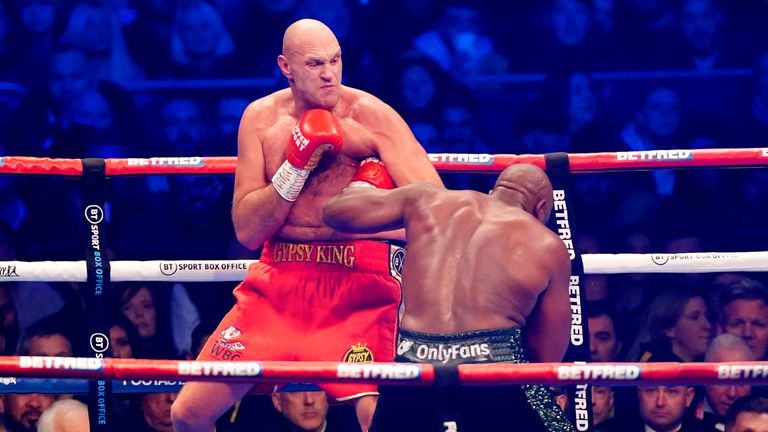
Tyson Fury has once again taken center stage in the heavyweight division, not with a fight announcement, but with a wave of outspoken remarks targeting rivals and even the football club Tottenham Hotspur.
While his latest comments may appear humorous and chaotic on the surface, they reflect a calculated effort to control the narrative in a division still awaiting clarity on its biggest matchups.
Fury Keeps Spotlight Without Stepping Into the Ring
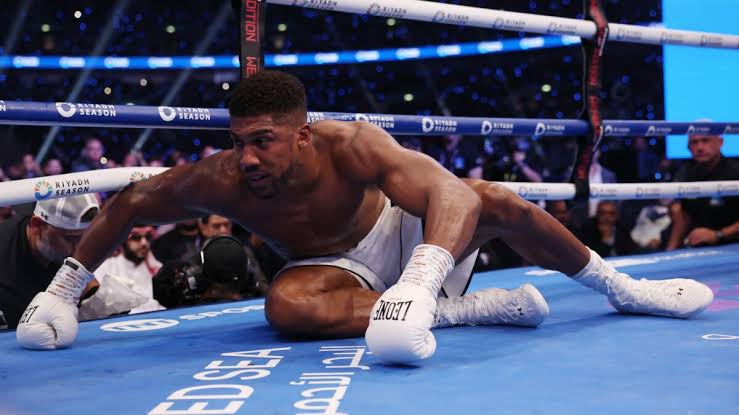
Fury’s latest outburst sees him calling out key rivals, including Anthony Joshua and Oleksandr Usyk, at a time when the heavyweight scene remains in flux.
With no immediate fight confirmed, the former champion is using media engagement to maintain relevance and apply pressure on potential opponents and promoters. By dominating headlines, Fury ensures he remains central to any discussion about the division’s future.
Mind Games and Modern Fight Promotion
Fury’s approach blends humour with psychological tactics. His “jolly” persona masks a deliberate strategy keeping opponents guessing while drawing widespread media attention.
In contrast to Joshua’s composed public image and Usyk’s quieter demeanor, Fury’s unpredictable style allows him to shape narratives, often forcing rivals into reactive positions. In today’s boxing landscape, visibility and public perception can significantly influence negotiations and fight-making.
Cross-Sport Attention with Tottenham Mention
Fury’s unexpected reference to Tottenham Hotspur adds another dimension to his media strategy. By extending his commentary beyond boxing, he taps into a wider audience, sparking conversations across different sports communities.
The move highlights a growing trend where elite athletes leverage cross-sport engagement to amplify their personal brand and maintain global relevance.
Heavyweight Division at a Turning Point
Fury’s comments come amid renewed activity in the heavyweight ranks. Deontay Wilder has re-entered the conversation following a recent win, while Joshua continues his rebuild, and Usyk remains the division’s technical benchmark.
Behind the scenes, negotiations for major fights appear ongoing, with increasing pressure from fans and stakeholders for definitive matchups.
New Generation Emerging
As established names dominate headlines, younger prospects are steadily rising. Fighters like Moses Itauma, Hamzah Sheeraz, and Adam Azim are gaining attention, signaling a transition phase in the sport.
However, the current generation of heavyweights remains the primary commercial draw, prompting urgency around long-anticipated “legacy fights.”
Time Running Out for Heavyweight Greats
With Fury (37), Wilder (40), and Joshua in his mid-30s, the division appears to be entering a decisive period. The window for blockbuster clashes is narrowing, increasing the stakes for upcoming negotiations.
Fury himself has alluded to concerns about decline among older fighters, reinforcing the sense that the next wave is approaching as the current era nears its peak.
Final Word
- Tyson Fury continues to dominate boxing’s narrative through calculated media strategy
- The heavyweight division is building toward a crucial phase of major fights
- Emerging prospects signal an impending generational shift
Bottom line:
Fury’s latest verbal barrage is more than entertainment it is a strategic move to shape the future of the heavyweight division, as boxing edges closer to defining bouts that could close one era and usher in another.