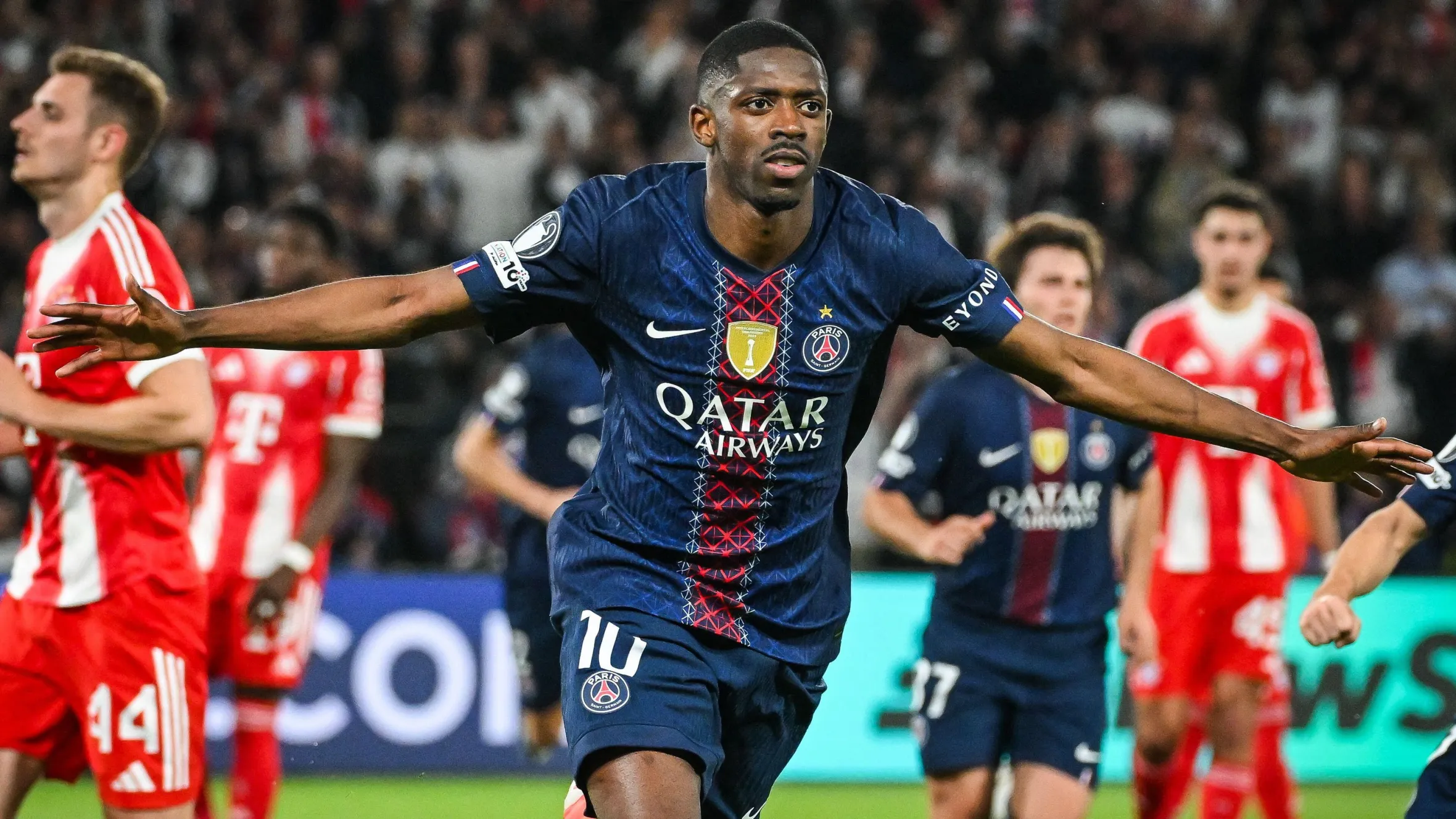
Bayern Munich are emerging as favorites to reach the 2026 UEFA Champions League final, following a first-leg performance that revealed a growing tactical advantage over Paris Saint-Germain.
While the scoreline from the opening encounter suggests a closely contested tie, the underlying dynamics point to Bayern’s increasing control, particularly in key transitional moments.
Tactical Adjustments Shift Momentum
In the first leg, PSG initially attempted to stretch the game through the width provided by Achraf Hakimi and Nuno Mendes. The approach yielded early promise, but Bayern quickly adapted.
The German side tightened central spaces and redirected PSG’s build-up toward the flanks, where defensive support and disciplined tracking limited penetration. By forcing predictable wide play, Bayern were able to neutralise PSG’s attacking rhythm and dictate the tempo of the match.
Injury Concerns Raise Questions for PSG
Heading into the second leg, PSG face a potential setback with both Hakimi and Mendes carrying fitness concerns. Their possible absence would significantly impact the team’s tactical structure.
Without their first-choice full-backs, PSG risk losing key elements of their system, including pace in transition, width in attack and defensive recovery speed. Such changes could leave them vulnerable against a Bayern side known for exploiting positional weaknesses.
Bayern’s Attack Poses Growing Threat
Bayern’s offensive approach has been marked by fluid movement and positional flexibility. Wide players such as Michael Olise and Luis Díaz have created consistent problems for opposing defences through intelligent movement and quick transitions.
Their ability to drift between central and wide areas, combined with overlapping runs from full-backs, has enabled Bayern to generate overloads and stretch defensive lines a factor that could prove decisive if PSG are forced into adjustments at the back.
Psychological Advantage with Bayern
Beyond tactical considerations, Bayern appear to hold a psychological edge. Their experience in managing high-pressure European fixtures allows them to maintain composure while gradually asserting control.
PSG, by contrast, face increased uncertainty due to potential lineup changes and the need to adapt their structure. This imbalance could influence the rhythm of the second leg, particularly if Bayern impose their tempo early.
Outlook: Bayern in Control
The tie remains open, but current indicators suggest Bayern are better positioned to progress. Their tactical cohesion, squad stability and ability to exploit weaknesses give them a clear advantage heading into the decisive fixture.
A controlled performance rather than an open contest is expected, with Bayern likely to manage the game strategically while capitalising on key moments.
As the semi-final reaches its conclusion, the balance appears to have shifted. Bayern retain their full attacking arsenal, while PSG may be forced to adapt without critical components a contrast that could ultimately determine who advances to the Champions League final.