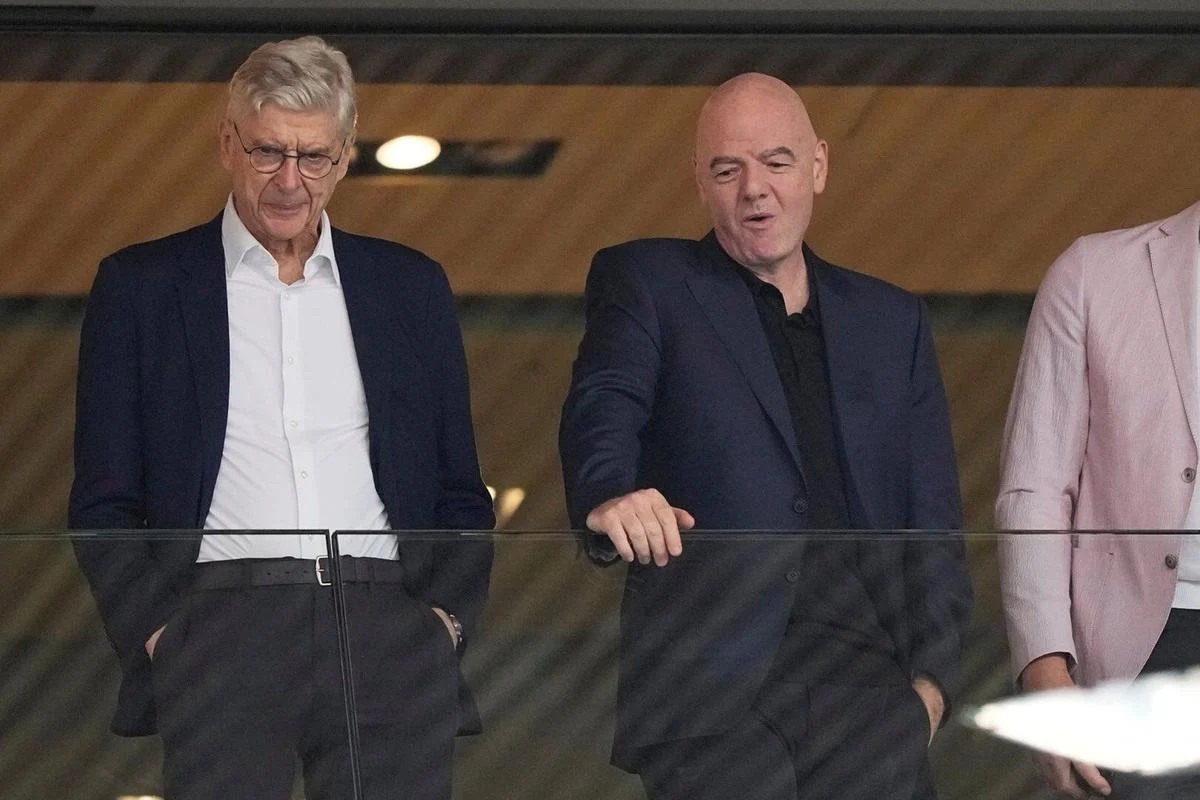
Former Arsenal manager and FIFA’s Chief of Global Football Development, Arsene Wenger, has welcomed the decision to abandon plans to allow private investment in FIFA competitions, insisting the governing body made the only acceptable choice.
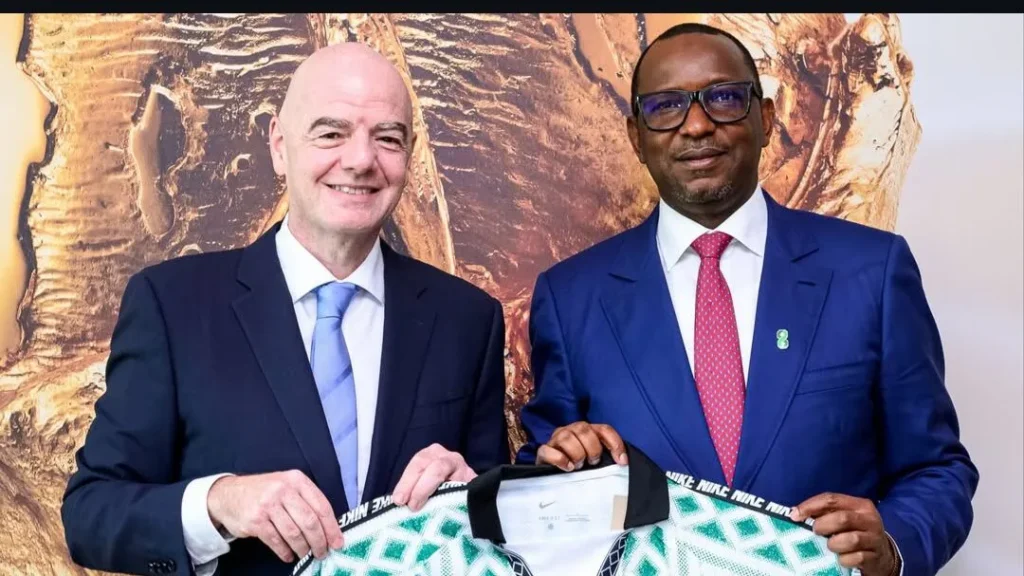
FIFA president Gianni Infantino had proposed creating a commercial subsidiary to oversee the organisation’s major tournaments, including the FIFA World Cup, with external investors allowed to purchase ownership stakes.
As part of the proposal, Infantino reportedly offered each of FIFA’s 211 member associations $40 million (£30 million) in funding in exchange for supporting the plan.
However, the proposal sparked widespread opposition across world football. UEFA’s 55 member associations reportedly threatened to boycott all FIFA competitions if the plan proceeded, forcing Infantino to withdraw the controversial initiative after days of mounting criticism.
Wenger, who has served as FIFA’s Chief of Global Football Development since 2019, said he had no involvement in developing the proposal and only became aware of it through media reports.
In a statement released through FIFA, the Frenchman stressed that abandoning the project was the right decision.
“The recent events at FIFA deserve some clarity from my side,” Wenger said.
“I was not involved in this strategic plan and first became aware of the project through media reports.”
He added that FIFA’s independence must remain protected.
“The decision to withdraw the project was necessary and beyond question, because I firmly believe in an independent FIFA that serves our game with commitment, transparency, and integrity.”
Wenger’s comments come despite his previous support for some of Infantino’s controversial reforms, including the proposal to stage the men’s FIFA World Cup every two years instead of every four.
The former Arsenal boss is also among 18 FIFA officials named in a document preservation letter sent by UEFA to FIFA as the European governing body considers possible legal action over the abandoned investment proposal.
The fallout has already claimed one high-profile casualty, with Carlos Cordeiro, Infantino’s senior adviser on global strategy and governance, resigning over the issue.
Explaining his decision, Cordeiro described the proposal as “a bad deal for football” and warned that it would have effectively “mortgaged football’s future.”
The controversy represents one of the biggest governance challenges faced by FIFA in recent years and has reignited debate over transparency, commercial influence and the future direction of world football’s governing body.