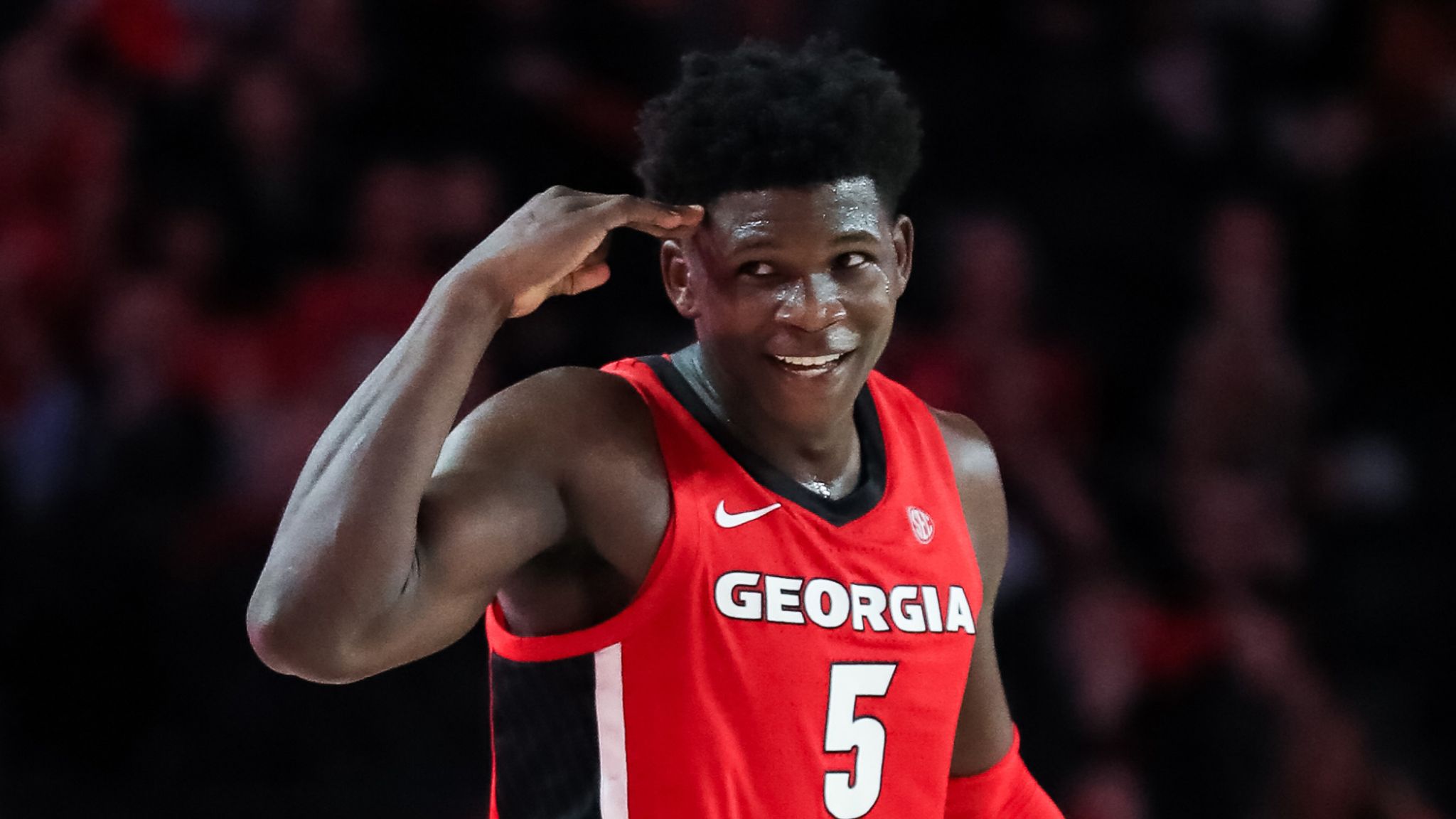
Anthony Edwards’s absence in the Minnesota Timberwolves’ clash with the Detroit Pistons could have major implications beyond a single game, as the NBA’s 65-game eligibility rule comes into play.
The league mandates that players must feature in at least 65 games to qualify for major individual honours, including Most Valuable Player, All-NBA teams, and Defensive Player of the Year. By missing this fixture, Edwards is now at risk of falling below that threshold, effectively ending his chances of receiving top individual recognition this season.
The development is a significant setback for the 22-year-old, who had been enjoying an outstanding campaign and was widely considered a strong contender for All-NBA honours. His performances have been central to Minnesota’s identity and success this season, making his potential exclusion from award consideration a notable talking point.
The situation also raises questions about the balance between player health and award eligibility. While teams are increasingly cautious with player fitness in a demanding schedule, the NBA’s rule is designed to ensure that awards reflect both performance and availability.
Beyond accolades, the impact could extend to financial implications, as award selections are often tied to contract incentives and future earning potential under league rules.
For Edwards and the Timberwolves, attention now shifts toward the postseason. With individual awards potentially out of reach, the focus will be on maintaining fitness and leading the team into the playoffs.
The case adds to the ongoing debate around the league’s eligibility criteria, highlighting the fine margins that can define a player’s season both on and off the court.