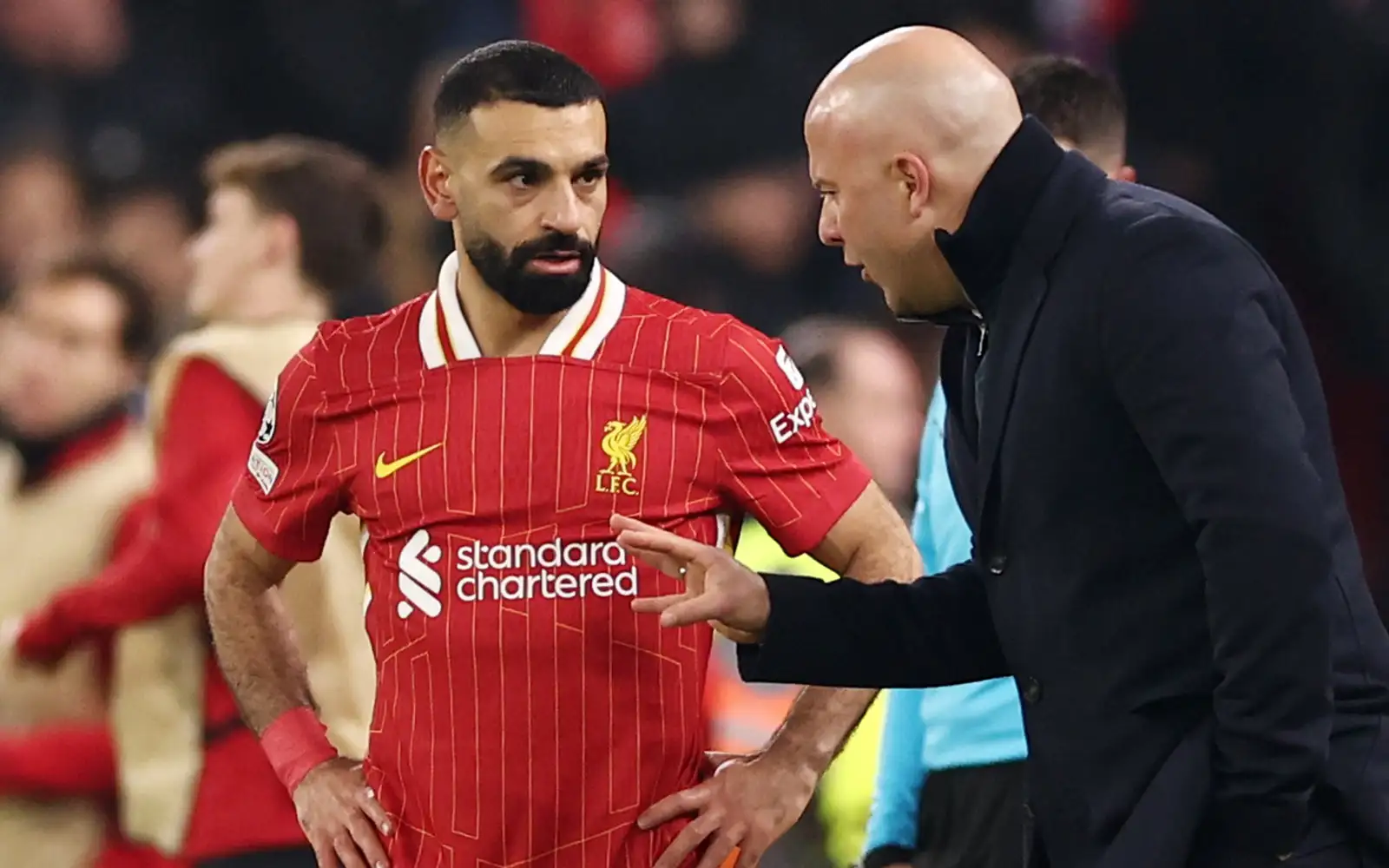
A major talking point from Liverpool’s UEFA Champions League clash with Paris Saint-Germain has been the decision by head coach Arne Slot to bench or limit Mohamed Salah a move that has sparked debate across football circles.
While initially framed as a “snub,” the decision appears to have been rooted in tactical considerations. However, the outcome has raised serious questions after Liverpool’s defeat left them trailing in the knockout tie.
Why Was Mohamed Salah Left Out? Tactical Over Star Power
Salah remains Liverpool’s most dangerous attacking player, known for his goal-scoring consistency and big-game pedigree. His reduced role against PSG therefore signaled a deliberate tactical shift.
Focus on Defensive Balance
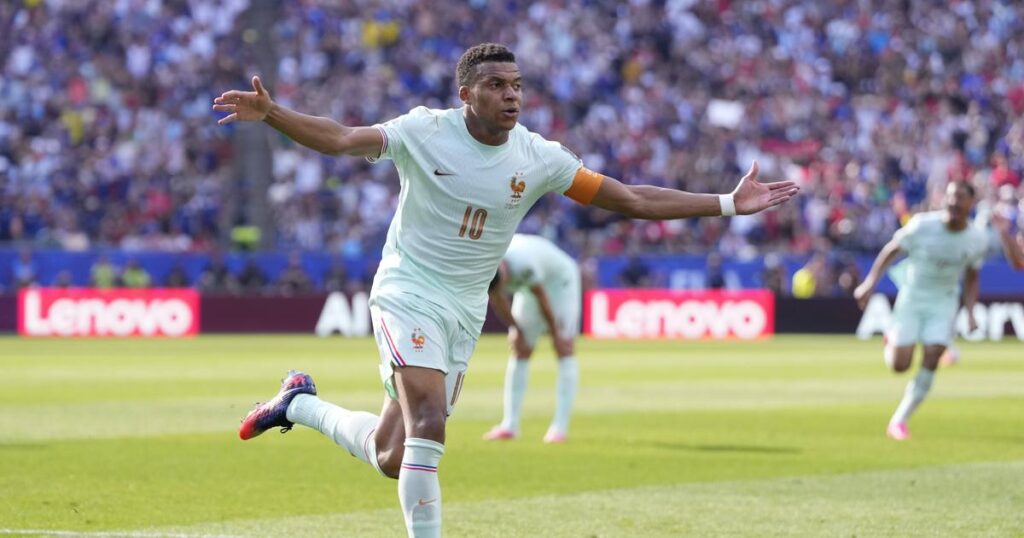
Facing PSG’s pace and attacking transitions led by players like Kylian Mbappé Liverpool appeared to prioritize defensive structure. Slot’s setup required wide players to track back and maintain discipline, an area where Salah is not always heavily relied upon.
Pressing and System Demands
Slot’s tactical philosophy emphasizes coordinated pressing and high-intensity off-ball work. Selection decisions are often based on system fit rather than individual quality, suggesting Salah may not have aligned perfectly with the game plan or physical demands.
Opponent-Specific Strategy
Managers frequently tailor lineups to exploit weaknesses or control key areas. In this case, Liverpool opted for a more compact and controlled shape, potentially sacrificing attacking firepower for midfield stability.
Decision Backfires as Liverpool Lose Cutting Edge
The tactical gamble came with clear risks and against PSG, those risks were exposed.
Without Salah’s presence:
- Liverpool lacked attacking sharpness in the final third
- Opportunities to counter quickly were limited
- The team struggled to convert possession into clear chances
As PSG dictated large portions of the game, Liverpool’s reduced attacking threat made it difficult to regain control.
PSG Dominate but Fail to Capitalize Fully
Despite Liverpool’s struggles, PSG’s performance told its own story. The French champions controlled the match, created multiple chances, and consistently pressured Liverpool’s defense.
Control Without Ruthlessness
PSG excelled in:
- Breaking defensive lines
- Exploiting transitions
- Sustaining territorial pressure
However, their inability to convert chances proved costly.
Dembélé’s Missed Opportunities
Ousmane Dembélé was central to PSG’s attacking play but failed to deliver the clinical finishing needed to put the tie beyond doubt. Missed one-on-one chances and inconsistent decision-making kept the scoreline at 2–0 instead of a potentially decisive margin.
Liverpool Still Alive Ahead of Second Leg
Despite being outplayed, Liverpool remain within reach of a comeback a crucial factor in Champions League knockout football.
A 2–0 deficit, while challenging, leaves room for:
- Tactical adjustments in the return leg
- Early goals to shift momentum
- Psychological belief fueled by avoiding a heavier defeat
PSG, meanwhile, face the pressure of knowing their dominance did not fully translate into scoreboard security.
Psychological Battle Ahead
Missed chances and tactical decisions now shape the narrative heading into the second leg.
- PSG: Must overcome frustration and ensure greater efficiency
- Liverpool: Gain belief from surviving the first leg and returning home with hope
This emotional dynamic could prove decisive in determining who progresses.
Final Analysis
- Arne Slot’s decision to sideline Mohamed Salah highlights a system-first approach but one that failed to deliver results on the night
- Paris Saint-Germain were tactically superior but lacked the clinical edge to finish the tie
- Liverpool FC remain in the contest despite losing control, keeping their Champions League hopes alive
Bottom line:
In elite European football, dominance alone is not enough what matters is how ruthlessly you convert it into results.