For years, they were mocked with the same tired lines.
“Bottlers.”
“Nearly men.”
“Good football, no trophies.”
“Too soft to win the league.”
But football has a funny way of rewarding persistence.
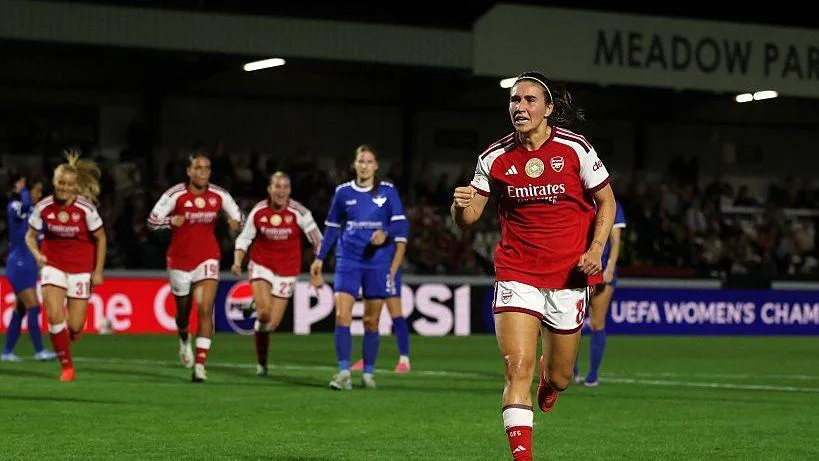
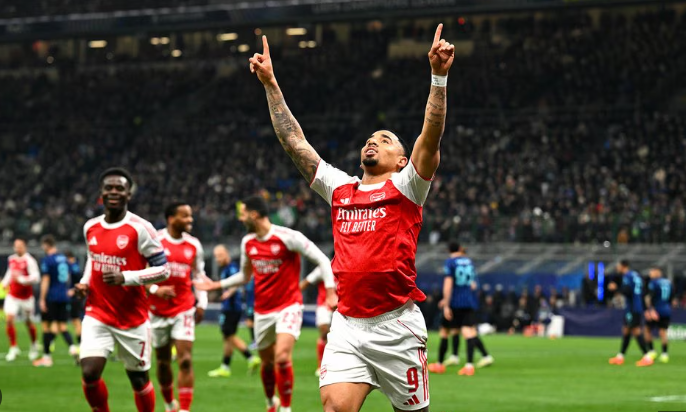
And now, after years of heartbreak, rebuilding, criticism, and painful near-misses, Arsenal are finally champions of England once again.
Not just winners. Not accidental champions. Not beneficiaries of luck.
This title was earned.
Every point. Every sacrifice. Every difficult away night. Every injury setback. Every moment of pressure. Arsenal survived it all and emerged stronger.
This is more than a Premier League triumph.
This is the completion of a football resurrection.
For a generation of Arsenal fans who grew up hearing stories about the Invincibles instead of witnessing greatness themselves, this moment feels deeply emotional. The wait since 2004 has been long and painful. Managers changed. Philosophies shifted. Rivals dominated. The club that once set standards slowly became a club chasing relevance.
But under Mikel Arteta, Arsenal rebuilt with patience, identity, and belief.
Arteta did not inherit a perfect team. He inherited instability, doubt, and enormous expectations. There were moments many wanted him gone. There were seasons Arsenal came close only to fall apart at the final hurdle. Yet the club stayed committed to the process — and that faith has now delivered the ultimate reward.
What makes this title special is not just the trophy itself, but the manner in which Arsenal achieved it.
They played brave football.
Fearless football.
Fast, intelligent, aggressive football.
This team attacked with confidence, defended with maturity, and handled pressure with a mentality many doubted they possessed. Week after week, they showed they were no longer the fragile Arsenal of old.
Players who were once considered “promising” have now become champions.
Bukayo Saka evolved into the face of leadership and consistency.
Martin Ødegaard captained the side with elegance and intensity.
Declan Rice brought authority, steel, and belief in midfield.
William Saliba transformed the defence into one of Europe’s most reliable units.
And beyond the stars, this triumph belonged to the squad — the players who stepped up in difficult moments, the substitutes who delivered under pressure, and the fans who kept believing even when old fears started creeping back in.
Because this season was not smooth sailing.
There were moments rivals expected Arsenal to collapse again. Moments when every dropped point sparked fresh narratives about mentality and pressure. But this time, Arsenal answered differently.
This time, they responded like champions.
And perhaps that is the biggest achievement of all.
Not the points total.
Not the goals scored.
Not the statistics.
The mentality.
The emotional growth.
The maturity to carry the weight of expectation and still finish the job.
For the Premier League itself, Arsenal’s triumph also signals something important: the balance of power is shifting again. English football is healthier when multiple giants are truly competitive, and Arsenal’s return to the summit adds fresh energy to the league.
This title could mark the beginning of something even bigger.
Because this Arsenal side is still young. Still hungry. Still evolving.
The frightening part for their rivals? They may not be done yet.
For now though, this is a moment for celebration.
A moment for every Arsenal supporter who endured the banter, defended the process, and waited years to see their club back where it believes it belongs.
At long last, the red half of North London can say it proudly again:
Arsenal are champions of England.