The modern athlete is no longer just competing for trophies they are shaping fashion, wellness and global culture in real time.
From tennis stars arriving at tournaments dressed like runway models to golfers turning luxury sportswear into everyday fashion, the lifestyle side of sport has become one of the fastest-growing industries in the world.
And right now, two sports sit at the center of that movement: tennis and golf.
Tenniscore Is Becoming a Global Fashion Obsession
“Tenniscore” has evolved from a niche aesthetic into one of the biggest style trends in modern fashion culture.
The look blends:
- clean luxury,
- pleated skirts,
- vintage polos,
- minimalist sneakers,
- quiet luxury styling,
- and country-club elegance mixed with streetwear influence.
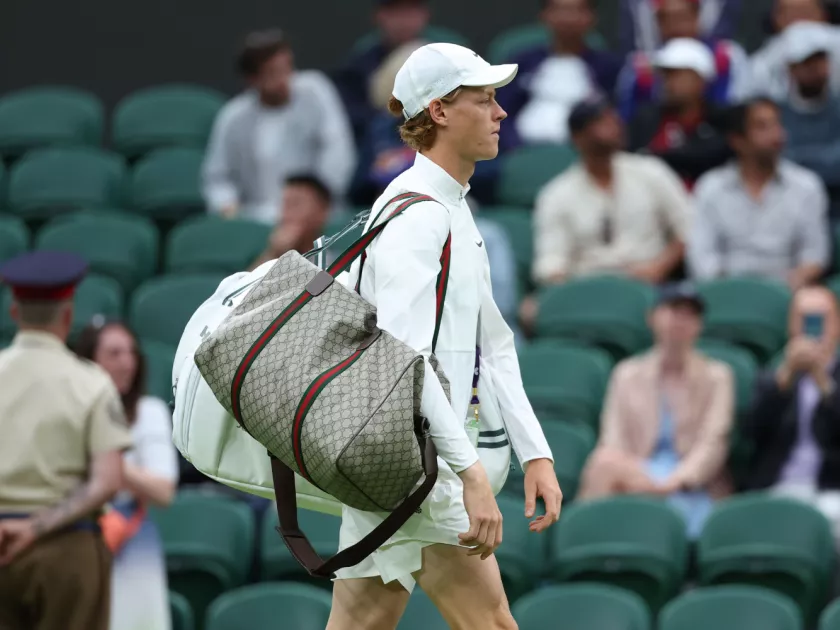
Players like Carlos Alcaraz, Jannik Sinner and Frances Tiafoe are now fronting luxury campaigns and influencing menswear trends far beyond the sport itself.
The ATP Tour has also embraced the shift completely. Tournament arrivals are increasingly being treated like fashion showcases, with players entering venues in carefully curated designer outfits similar to NBA tunnel fashion culture.
Tennis events are no longer just sporting competitions they are becoming lifestyle spectacles.
Grand Slams Are Turning Into Cultural Events
The transformation is especially visible at events like Wimbledon Championships and US Open.
Celebrities, influencers, luxury brands and fashion media now orbit around major tournaments almost as much as the athletes themselves.
Social media has accelerated that evolution dramatically.
Modern tennis stars are investing heavily in:
- curated Instagram aesthetics,
- behind-the-scenes travel content,
- wellness branding,
- skincare partnerships,
- fashion collaborations,
- and documentary-style vlogs.
For many athletes, building a personal lifestyle brand has become nearly as important as winning matches.
Wellness Culture Is Reshaping Elite Tennis
Another major shift inside tennis is the rise of recovery-focused living.
The old “grind at all costs” mentality is gradually being replaced by longevity culture.
Today’s players increasingly prioritize:
- meditation,
- breathwork,
- sleep optimization,
- cold plunges,
- Pilates,
- anti-inflammatory nutrition,
- and mental wellness coaching.
Athletes are openly discussing balance, recovery and sustainability in ways that were rare a decade ago.
The modern image of elite performance now looks calmer, smarter and more holistic.
Golf’s Image Transformation Is One of Sport’s Biggest Surprises
Golf has undergone an equally dramatic cultural rebrand.
Once viewed as rigid and traditional, the sport is now embracing a younger, more fashionable and lifestyle-driven audience.
The modern golf aesthetic revolves around:
- earth tones,
- cream and pastel palettes,
- vintage knitwear,
- tailored silhouettes,
- and lightweight luxury fabrics.
The goal is effortless sophistication what many fashion observers now call “quiet luxury.”
Golf brands are increasingly designing apparel that works:
- on the course,
- at brunch,
- while traveling,
- or inside luxury resorts.
Golfwear has effectively become mainstream fashion.
Golf Creators Are Fueling the Boom
Social media creators are playing a massive role in golf’s popularity surge.
A new generation of golf influencers particularly women creators are building huge audiences through:
- humorous golf skits,
- course vlogs,
- beginner-friendly tutorials,
- fashion content,
- luxury travel videos,
- and wellness-focused branding.
The key trend driving engagement is authenticity.
Audiences are moving away from overly polished “perfect lifestyle” content and connecting more with relatable personalities and everyday experiences.
The Future of Sports Culture Is Lifestyle-Driven
Across both tennis and golf, one thing is becoming clear:
Modern sport is no longer just about competition.
It is about identity.
Athletes are now entertainers, fashion figures, wellness ambassadors and digital personalities all at once. And as younger audiences increasingly consume sport through social media, fashion and lifestyle storytelling, that crossover is only becoming more powerful.
The result is a new era where sporting influence extends far beyond stadiums and scoreboards shaping how people dress, travel, train and live.