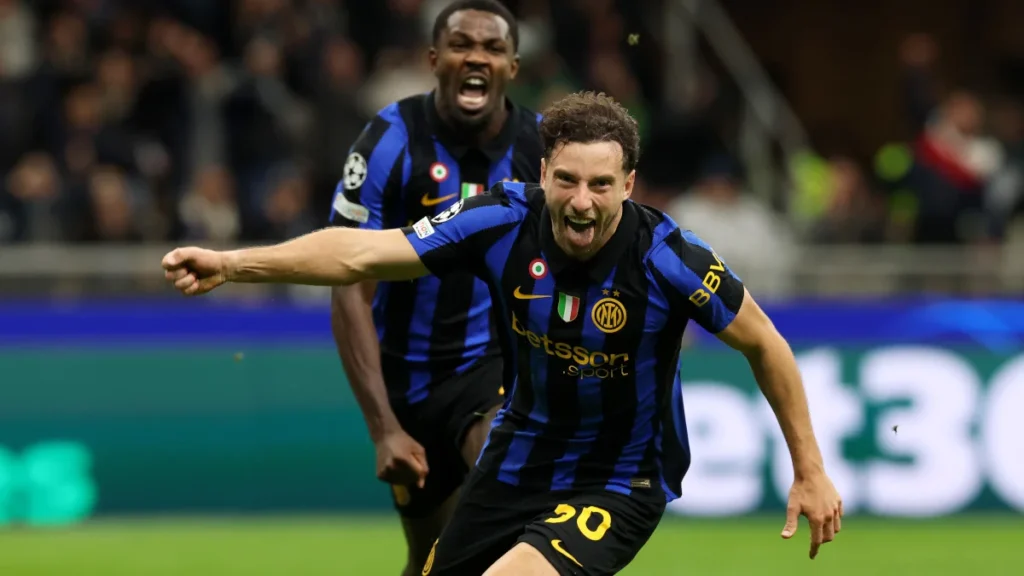
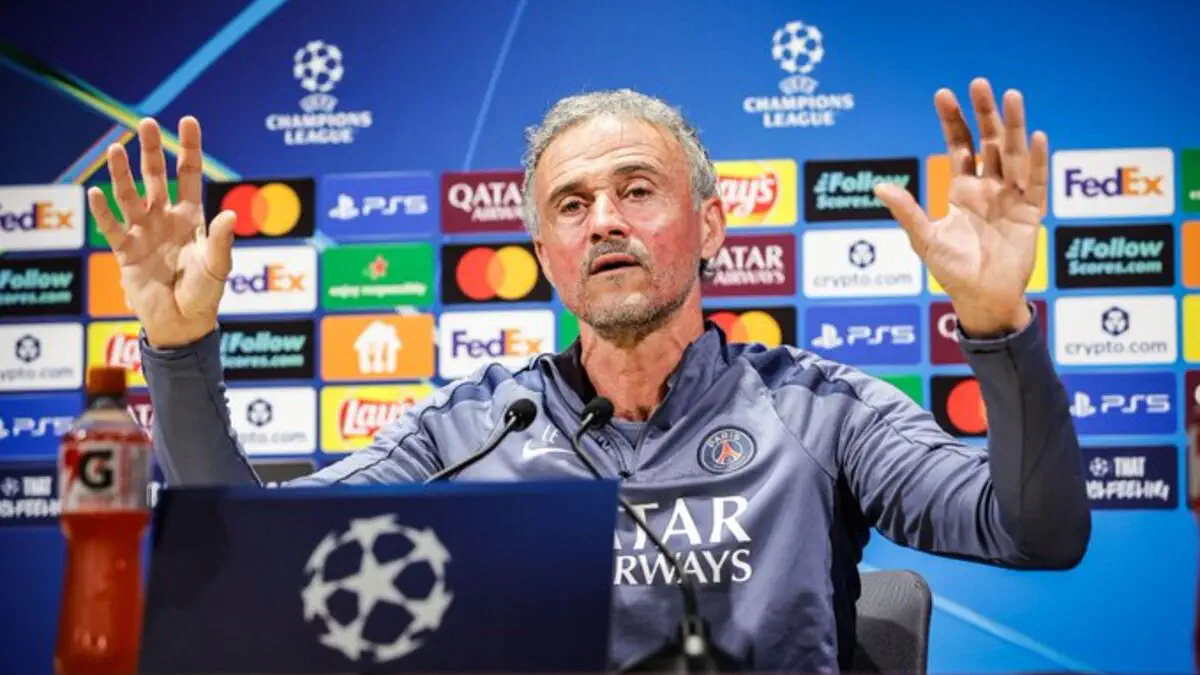
Luis Enrique has made UEFA Champions League history, becoming the fastest manager to reach 50 wins in the competition after achieving the milestone in just 77 matches.
The record sees him surpass Pep Guardiola, who previously held the benchmark with 50 victories in 80 games, marking another significant chapter in the evolving legacy of two of modern football’s most influential coaches.
While the margin is narrow, the achievement highlights Enrique’s efficiency at Europe’s highest level and reinforces his standing among the elite managers in the UEFA Champions League.
Shared Roots, Diverging Paths
Both managers share a common history at FC Barcelona, where they played together in the late 1990s. Guardiola operated as a deep-lying playmaker known for controlling tempo, while Enrique brought energy and vertical movement from midfield.
Those contrasting playing styles have carried into their managerial philosophies.
Guardiola’s tenure at Barcelona, beginning in 2008, reshaped modern football through a possession-based system built on positional play and control. His approach delivered multiple domestic and European titles, including two Champions League trophies.
Enrique, who took charge at Barcelona in 2014, built on that foundation but introduced a more direct and transition-focused style. Under his leadership, the club combined structured possession with attacking speed, maximizing the impact of its forward line and securing a historic treble in 2015, including Champions League success.
Efficiency Across Eras and Teams
Enrique’s record has been achieved across spells with Barcelona and Paris Saint-Germain, demonstrating adaptability across different squads and competitive contexts.
Guardiola, by comparison, has accumulated his Champions League record over longer periods with Barcelona, Bayern Munich and Manchester City, reflecting sustained excellence across multiple leagues.
The Spaniard’s quicker route to 50 wins is widely attributed to his decisive approach in knockout matches and tactical flexibility, often prioritizing efficiency over prolonged control.
Legacy and Perspective
Despite the statistical milestone, Enrique’s achievement is being viewed less as a rivalry and more as a continuation of a shared footballing philosophy.
Guardiola is widely regarded as the architect of a modern tactical era, while Enrique has demonstrated how that model can evolve to suit different players and competitive demands.
As a result, the new record adds another layer to an ongoing managerial lineage that continues to shape elite European football.
Debate Continues Over Champions League Greatness
The milestone is likely to fuel further debate over managerial greatness in the Champions League.
Guardiola’s influence, tactical ideology and long-term consistency remain central to his legacy, while Enrique’s record-breaking efficiency and adaptability offer a compelling counterpoint.
For now, Enrique holds the distinction as the fastest to 50 wins a mark that underscores his impact even as the broader conversation about Champions League supremacy continues.