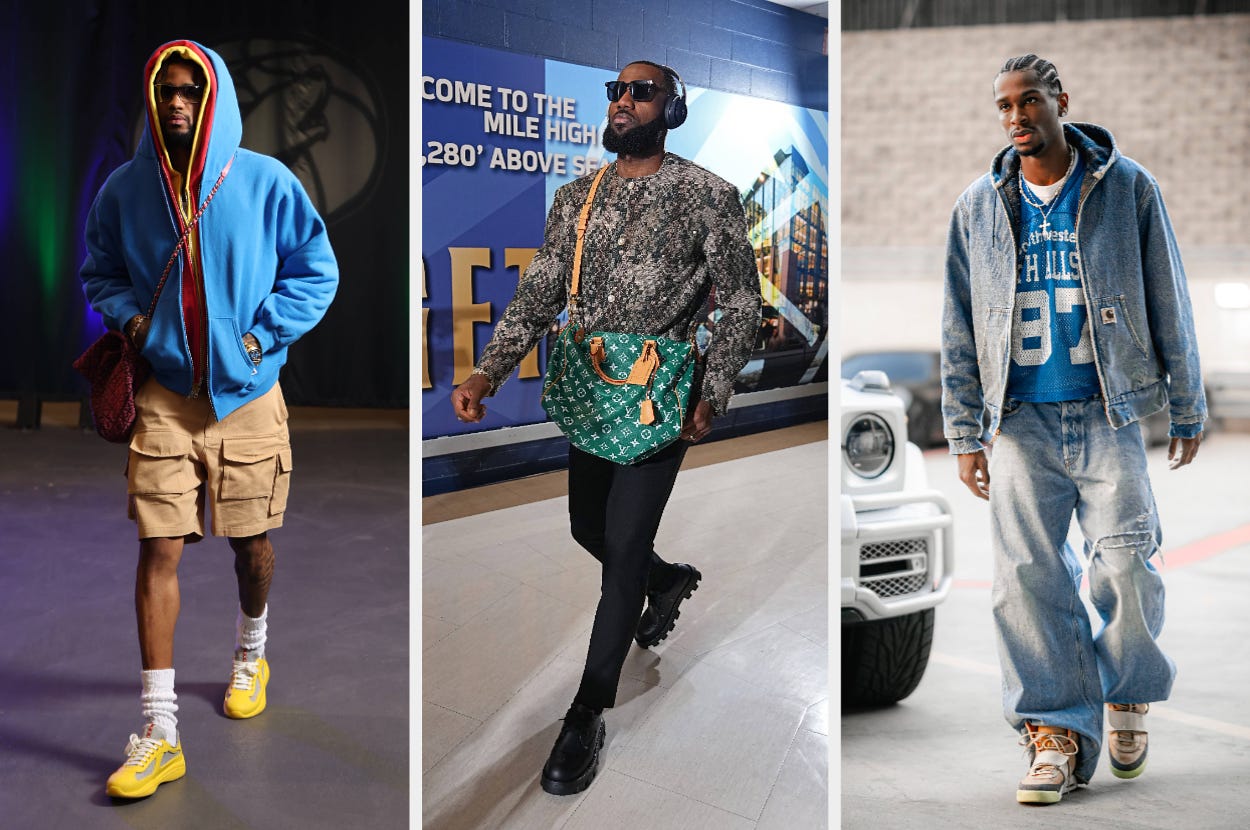
The modern athlete is no longer confined to performance on the field. In 2026, sport and lifestyle have fully merged, creating a powerful cultural space where fashion, branding, and identity intersect and athletes are leading the movement.
Travis Kelce and the Rise of the Tunnel Walk Era
At the forefront of this shift is Travis Kelce, who has transformed the pre-game tunnel walk into a global fashion moment. Now a brand ambassador for Tommy Hilfiger, Kelce is set to launch a custom capsule collection, further cementing his influence beyond the NFL.
What was once a simple walk into the stadium has evolved into a curated display of personal branding. For Kelce, each appearance is more than style it’s storytelling. His outfits reflect personality, confidence, and cultural awareness, positioning him as a central figure in the growing “athlete-as-fashion-director” movement.
NIL Deals Transform College Athletes Into Lifestyle Icons
The shift isn’t limited to professional sports. Across the National Collegiate Athletic Association, the Name, Image, and Likeness (NIL) era has redefined what it means to be a student-athlete.
Top college stars are now earning millions through endorsement deals, with some reportedly surpassing $4 million annually. The financial boom has ushered in a new lifestyle luxury apartments, brand partnerships, and influencer-level visibility long before turning professional.
This evolution is changing the traditional pathway to pro sports. For some athletes, the urgency to turn professional has diminished, as they already enjoy financial independence and personal brand growth at the collegiate level.
Athleisure Becomes Everyday Identity
At the same time, fashion trends are aligning with this cultural shift. Athleisure is no longer just a trend it has become a defining lifestyle.
Blending performance wear with casual fashion, today’s wardrobe seamlessly transitions from gym sessions to social settings. From flared leggings paired with structured tops to layered workout outfits styled for everyday wear, the lines between sport and street fashion have disappeared.
This evolution reflects more than comfort it signals identity. Looking “sporty” now conveys discipline, energy, and modernity, making athleisure one of the most commercially powerful segments in fashion.
Gen Z Revives Y2K Sportswear
Fueling this transformation is Generation Z, which is driving a resurgence of early-2000s sports fashion.
Velour tracksuits, oversized silhouettes, retro logos, and bold designs are making a comeback, reimagined for today’s fitness and streetwear culture. The return of Y2K aesthetics represents a shift away from minimalism toward more expressive, personality-driven style.
For younger audiences, fashion is no longer about blending in it’s about standing out, even in athletic spaces.
Athletes Take Center Stage in Global Fashion
Athletes are no longer just endorsing brands they are becoming cultural tastemakers.
Figures like A’ja Wilson, who launched her Nike sneaker line during Paris Fashion Week, Caitlin Clark, known for high-fashion appearances, and Alysa Liu, who is making waves in luxury fashion spaces, illustrate a broader industry shift.
The traditional fashion hierarchy designer, model, celebrity is being replaced by a more dynamic ecosystem where athletes hold equal cultural influence.
A New Era of Sport Meets Style
From tunnel walks to million-dollar NIL deals, and from athleisure dominance to Y2K revivals, the intersection of sport and lifestyle has never been more pronounced.
Athletes today are not just competitors they are brands, influencers, and cultural leaders shaping global trends.
As this evolution continues, one thing is clear: the future of sport is not just about performance it’s about presence.